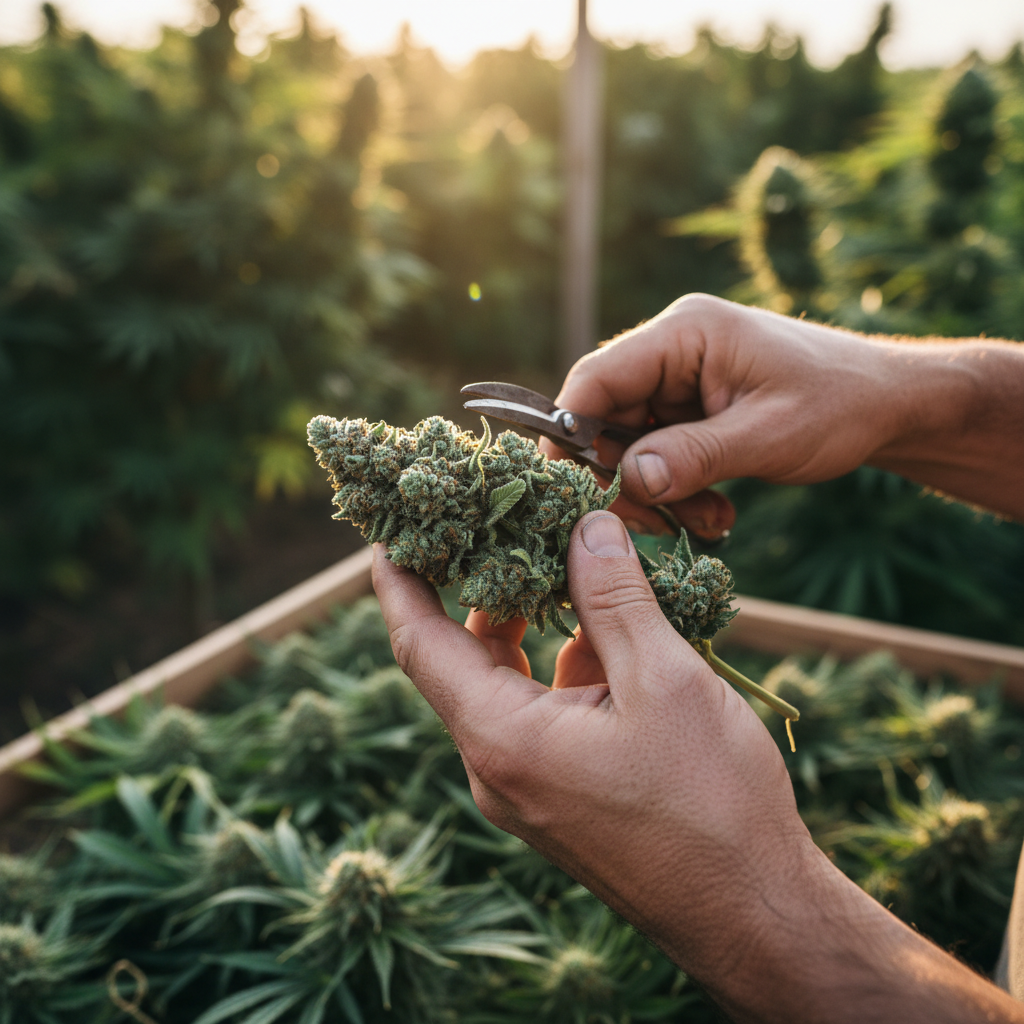
Outdoor sativa structure
Marlowe Hendricks
14years trimming
Learned on the ridgelines above Whitethorn
"You can feel a well-dried cola before you cut it. The weight tells you everything."
 Trim
Trim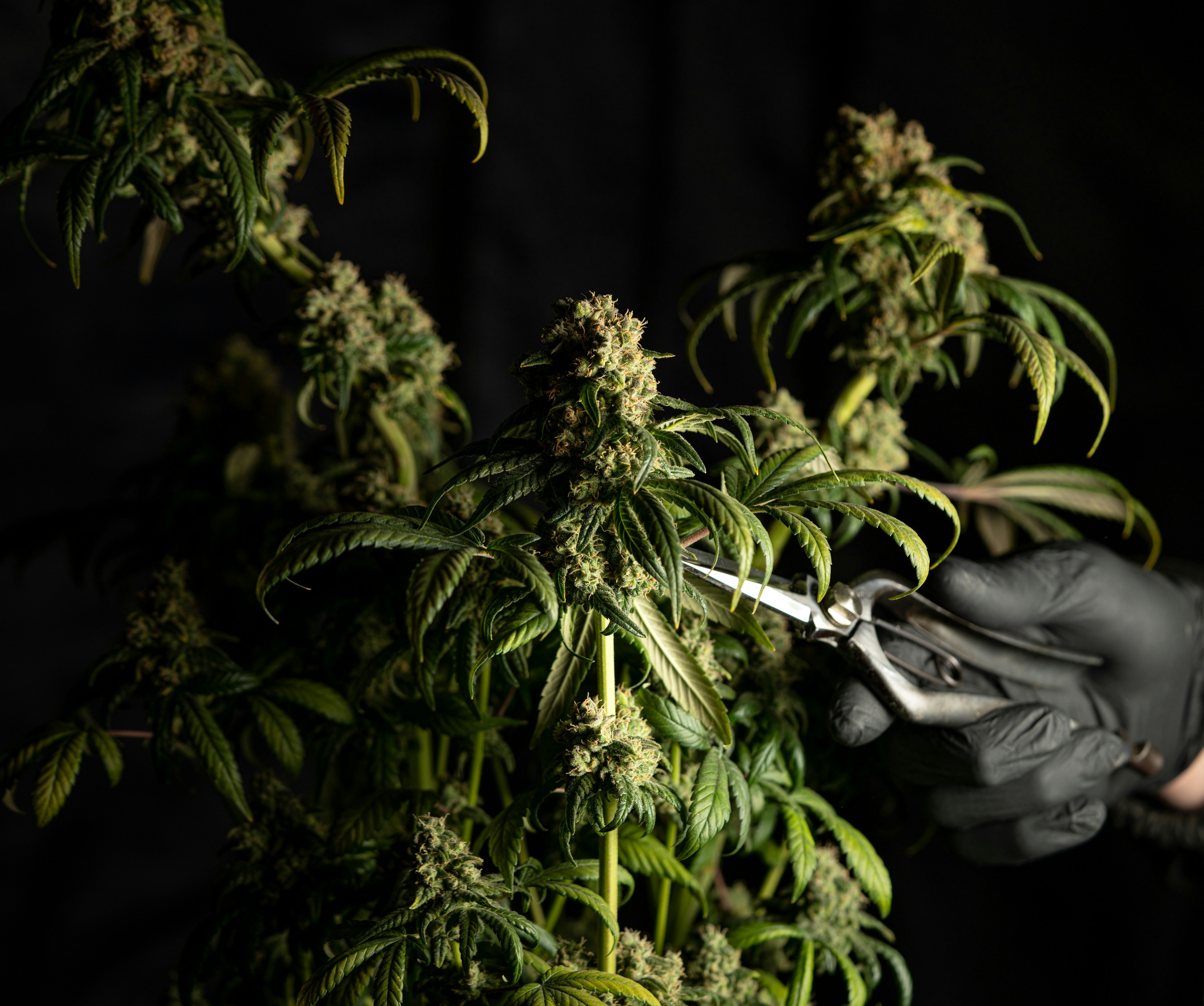
Craft hand-trim · Humboldt-trained · Farm to dispensary
The Crew
We started trimming together on a 40-acre outdoor plot in 2014. Every season since has sharpened the same instincts — respect the plant, protect the trichomes, leave the room cleaner than you found it.
Outdoor sativa structure
Learned on the ridgelines above Whitethorn
"You can feel a well-dried cola before you cut it. The weight tells you everything."
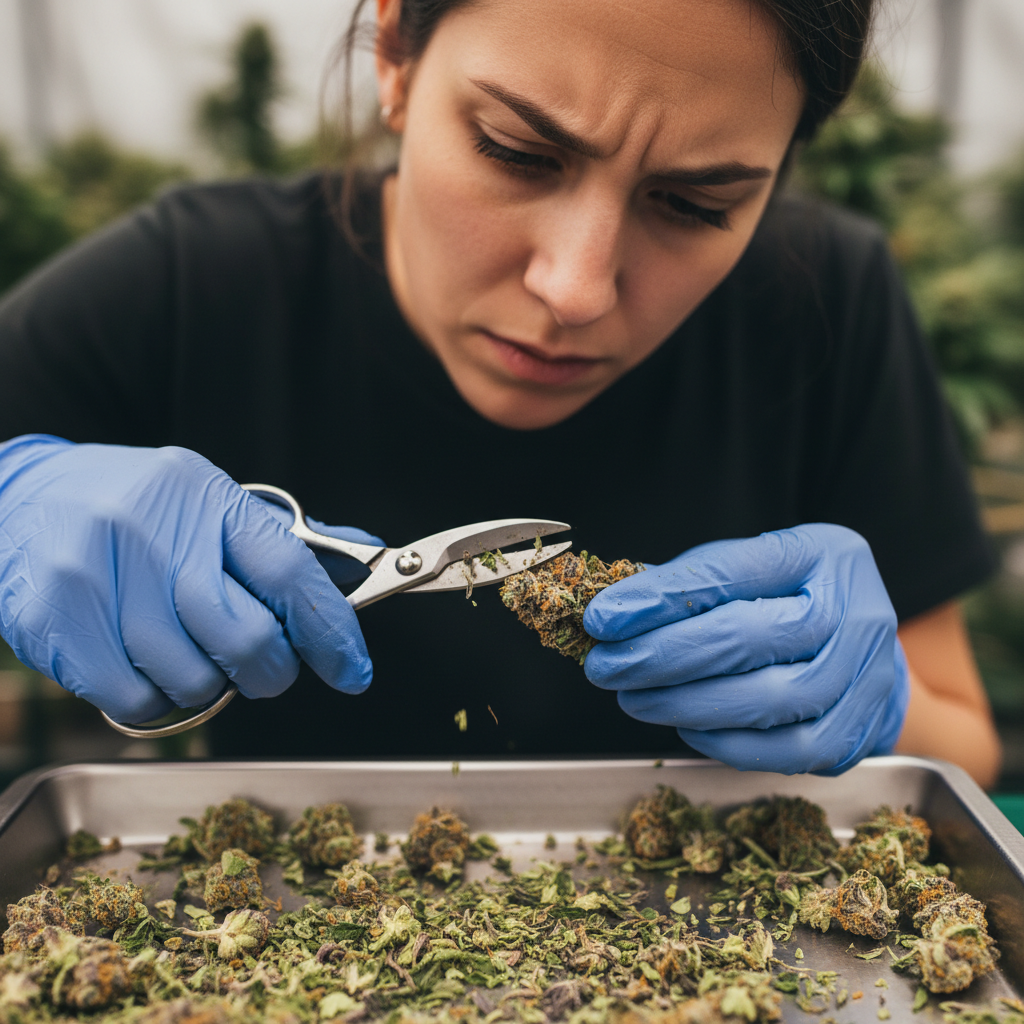
Dense indica finishing
Three seasons at a 30-light mixed-light co-op, Mendocino
"Machine trim looks like a haircut from a hedge trimmer. That's not what dispensaries want in 2026."
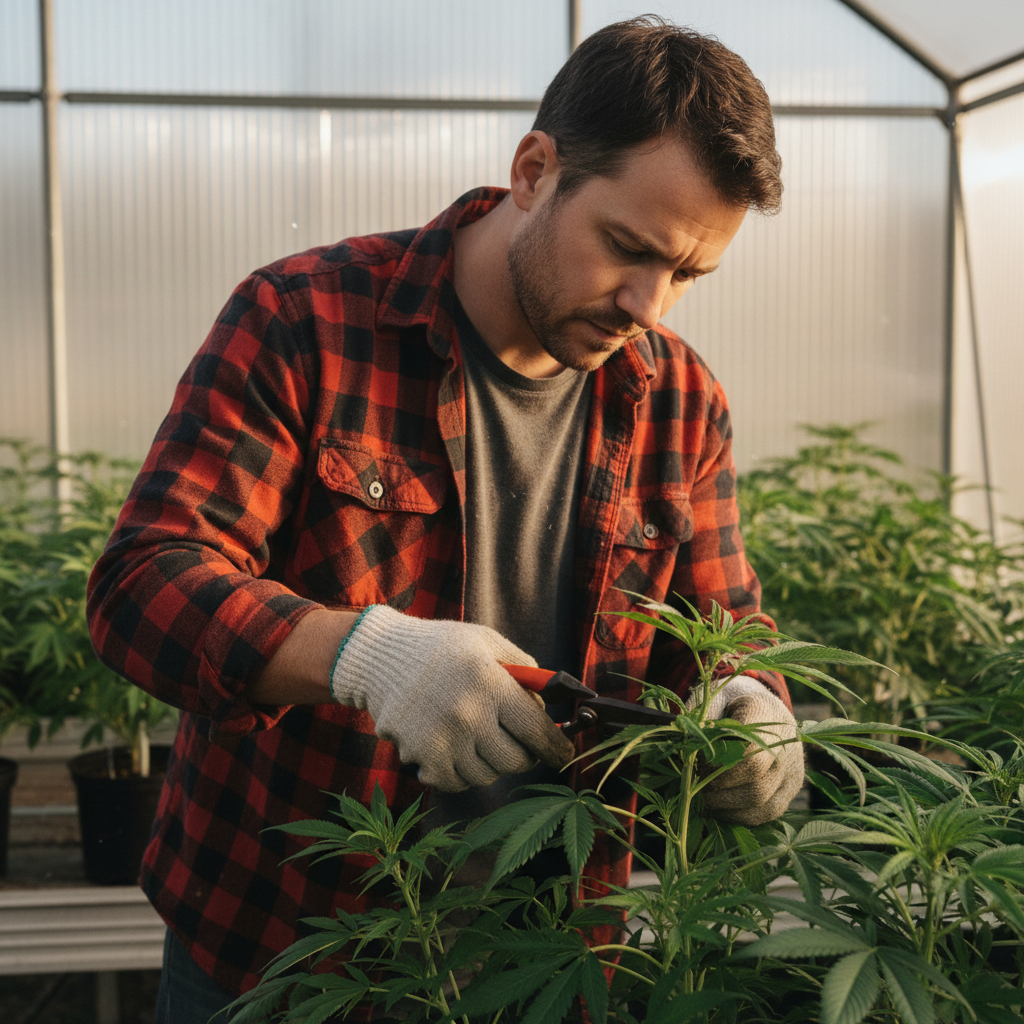
Terpene-preservation cuts
Started as a bucking hand, moved to trim after the 2018 harvest
"The sugar leaf tells you how the plant was fed. We read it before we cut it."
Philosophy
Why Hand-Trim
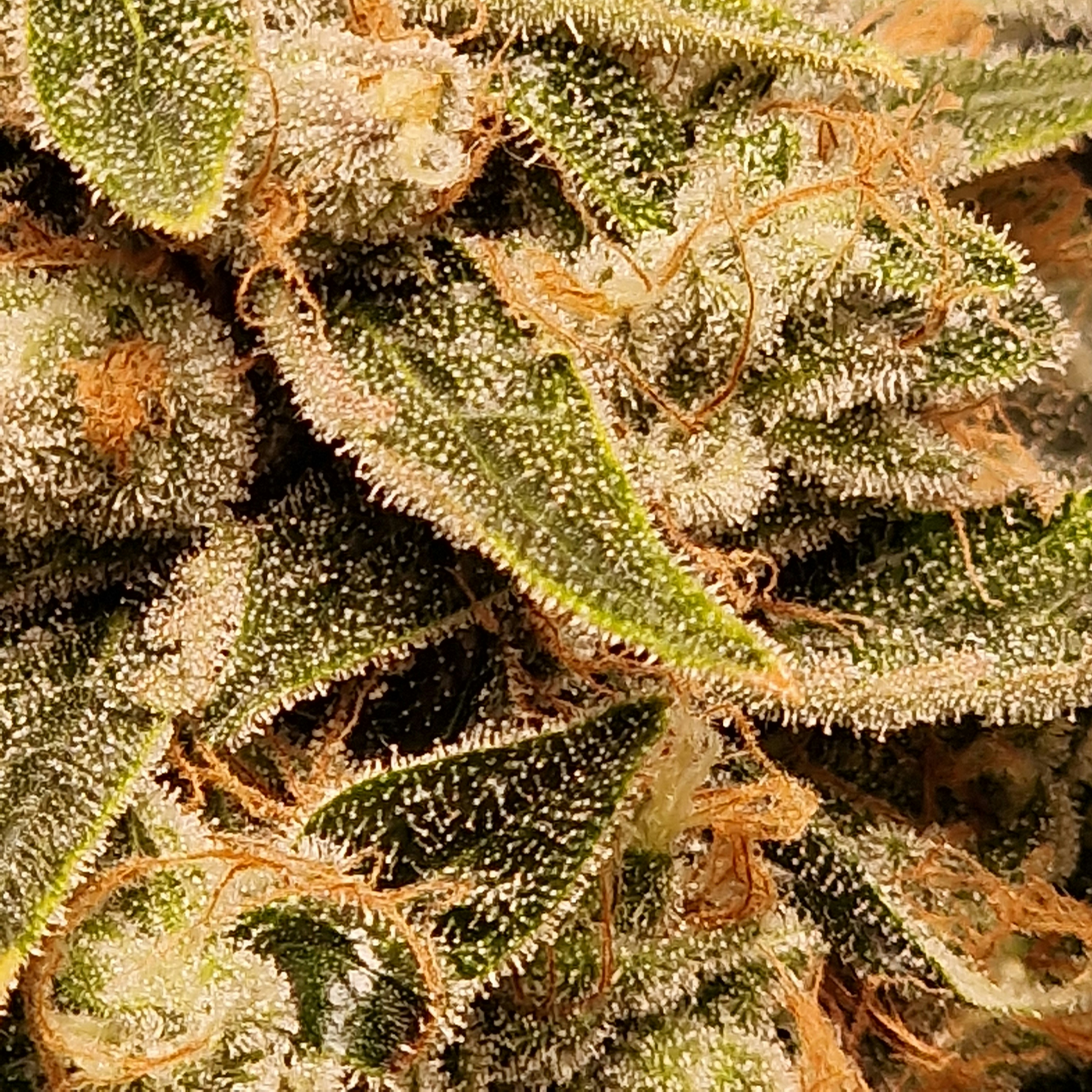
Machine trim removes 15–30% more trichome-bearing calyx surface than careful hand-scissors work. That's the difference between a 26% tested flower and a 21% tested flower — same genetics, different hands. We've done side-by-side comparisons with three farms. The numbers don't move.
The trichomes you save in trim room are the terpenes your customers smell at the counter.
Grading Standards
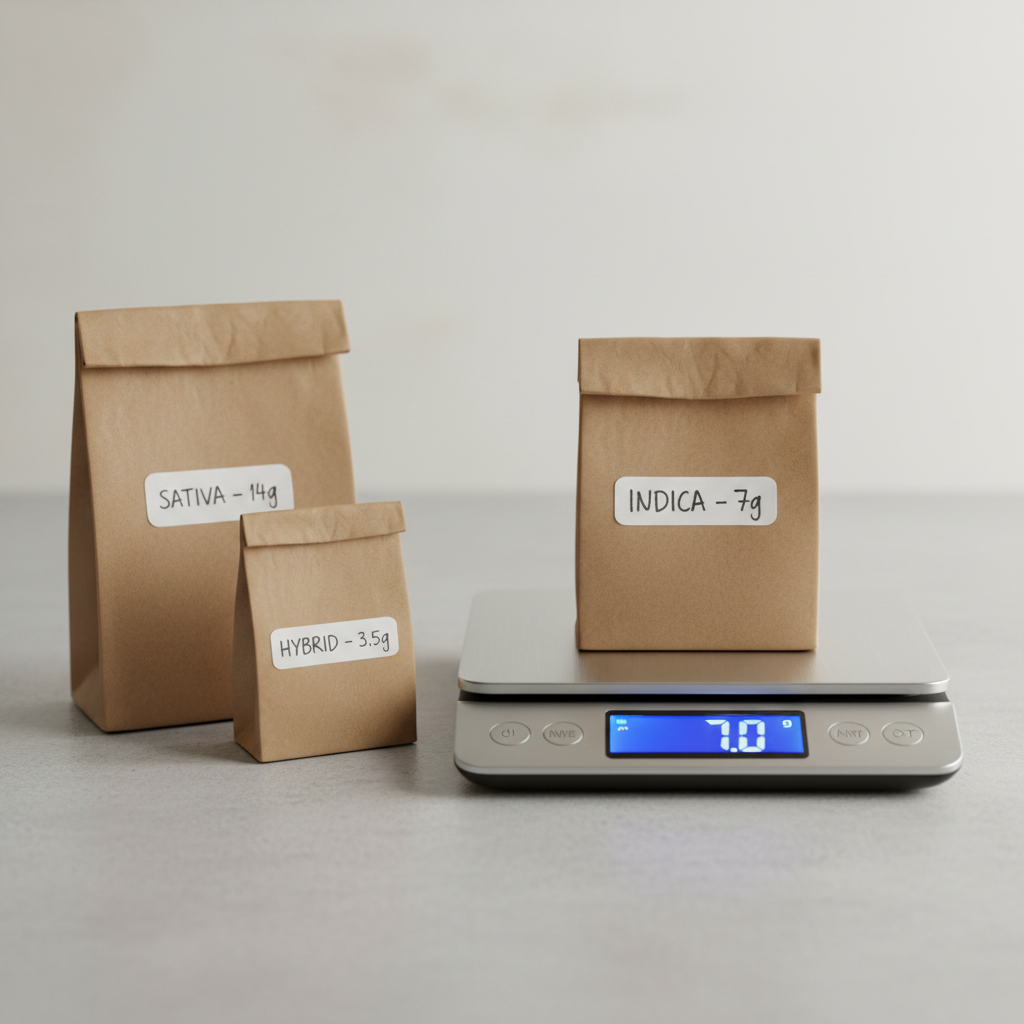
A-Grade: tight calyx-to-leaf ratio, visible trichome density, no foxtailing, no crow's feet. B-Grade: intact structure, minor leaf shadow, still hand-trimmed — not machine-finished. We never blend grades in a bag. Every brown paper bag gets a strain name, a grade, and a weight before it leaves the table.
Trim Waste
The sugar leaf and fine trim that comes off your flower is worth something. We separate it by grade — clean sugar leaf in one bag, wet trim and fan leaf in another. Most of our clients run it to extraction partners. We can introduce you to three co-ops who take it by the pound.
The Harvest Cycle
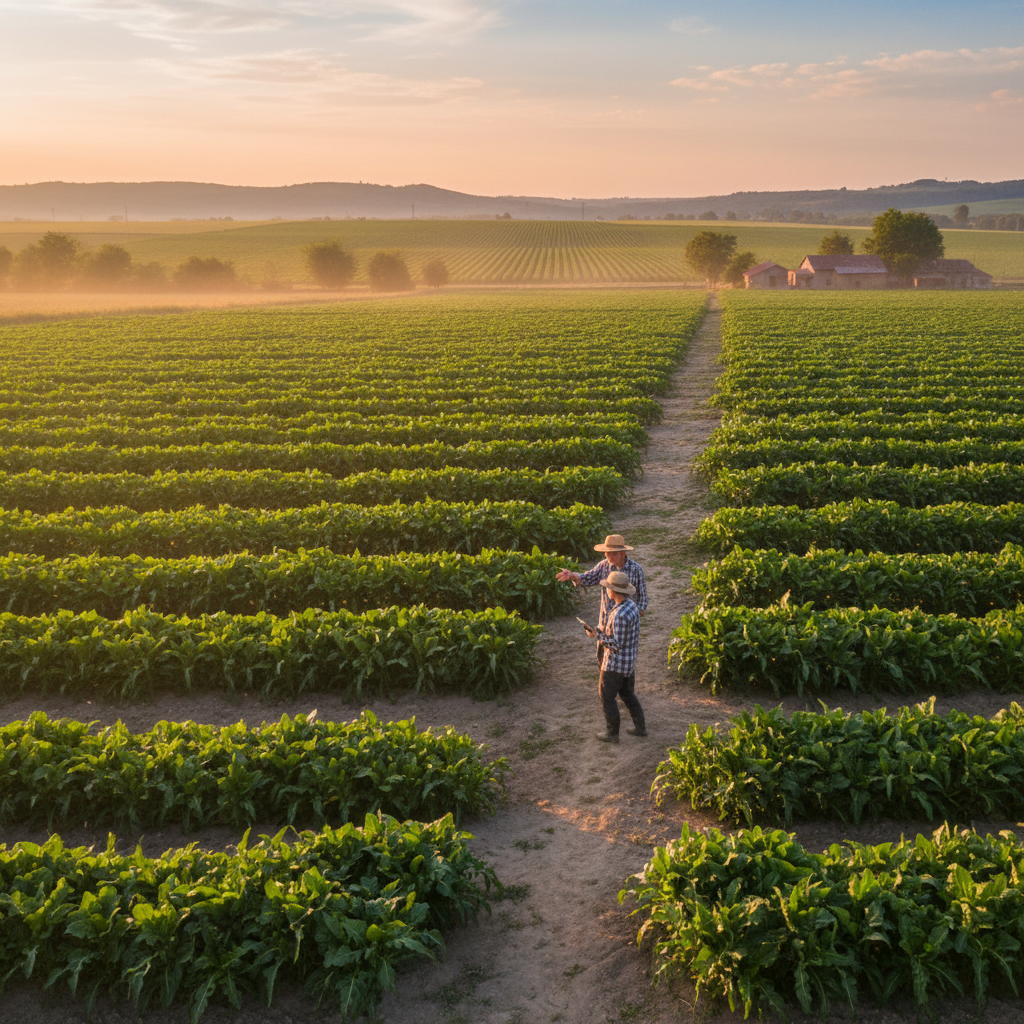
Pre-Harvest Consultation
01Two weeks out, we walk the rows with you. We check moisture content in the lower canopy, look at trichome development on your indicator plants, and help you decide which blocks to take first. This visit is included — it's how we avoid surprises on Day 1.
Typical lead time: 10–14 days before harvest window.
Bucking & Staging
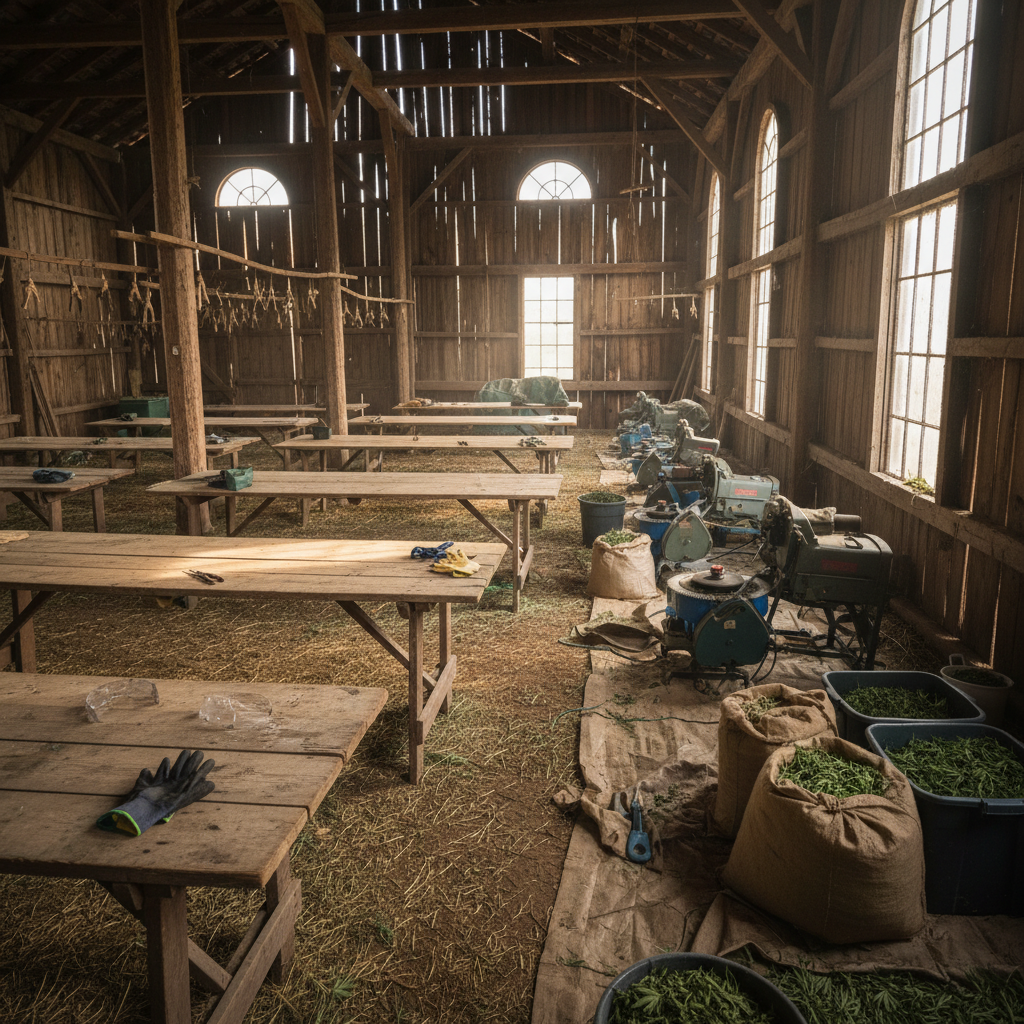
02We bring our own folding tables, trim trays, spring scissors, and brown paper bags. We buck directly into labeled containers — strain, date, block. Nothing touches the floor. The trim room smells like resin and discipline.
We can stage up to 8 tables. Crew size scales to your harvest volume.
Hand-Trim
03We work in silence or low conversation. No phones on the table. Chikamasas for the tight calyx work, Fiskars for the gross trim. We rotate positions every 90 minutes to keep hands fresh and cuts precise. A good trimmer maintains quality for 8–10 hours. We know our limits.
Average output: 1.5–2 lbs finished flower per trimmer per day.
Grading & Weighing
04A-Grade and B-Grade are sorted at the tray, not after the fact. We weigh on a calibrated digital scale, record strain, grade, and weight on the bag in Sharpie, and confirm totals with you before end of day. Sugar leaf goes into separate labeled bags for your extraction run.
We provide a daily trim log — weight by strain, grade, and trimmer.
Cure-Room Handoff
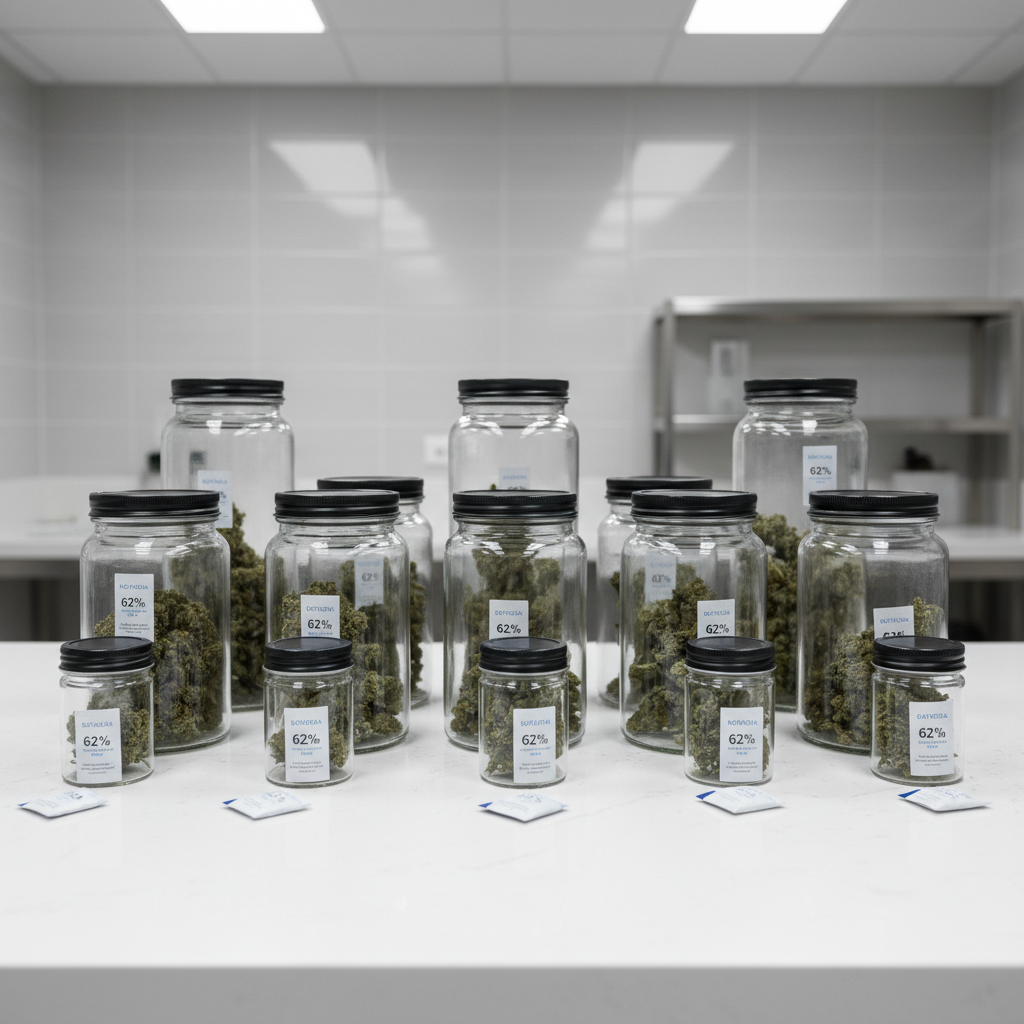
05Finished flower goes into your cure containers with humidity packs at 62%. We help you stage the cure room — airflow, boveda placement, container labeling. We've seen good harvests ruined in the first 72 hours of cure. We stay until it's right.
Cure consultation included. We recommend the first check-in at 48 hours.
Free Resource
Everything you need before we arrive — drying specs, ideal humidity ranges, workspace staging, and the questions we'll ask at the pre-harvest walk.
A practical PDF covering pre-trim drying specs, ideal humidity ranges (58–64% RH for cure, 45–55% for trim room), workspace staging, and how to communicate harvest windows with a traveling crew.
What's inside
Visual Reference
A visual grading reference showing A-Grade vs B-Grade structure, acceptable leaf shadow, and trichome density benchmarks we use at the tray.